

A Guide to Cooktop Shopping
This Whirlpool resource is your guide to everything cooktops. It covers the key considerations and can help you determine which cooktop is right for you.
GUIDE TO BUYING A COOKTOP: LEARN THE BASICS OF COOKTOP SHOPPING
Cooktops are not a one-size-fits-all major appliance. You will have to choose which features are best suited for your cooking needs, what configuration is best for your kitchen and which fuel type makes the most sense for you.
The information provided here can guide you through understanding the key points of cooktops and help you determine which direction to go before purchasing. It will also highlight what is available from the Whirlpool brand.

Cooktops
Cooktops are installed directly into the countertop with the controls situated within the appliance on the horizontal plane. They use either gas or electricity as its fuel source. Because there are fewer infrastructural requirements, it is more feasiible and easier to install into tighter kitchen areas than a rangetop.
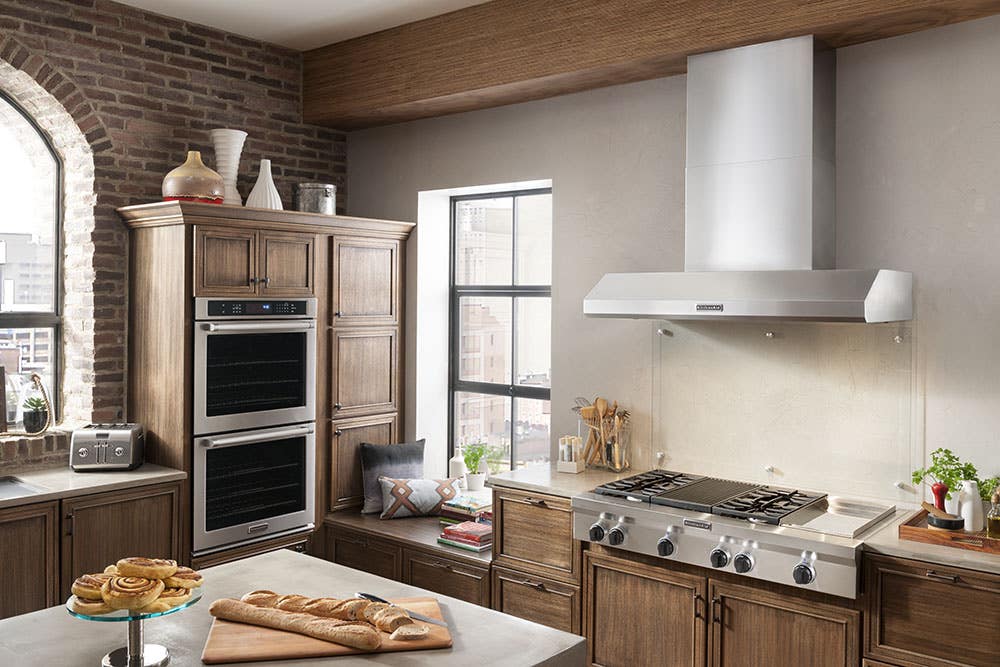
Rangetops
The traditional way for a rangetop to be powered is by gas, and they typically come in professional or commercial style. Units may also include design details like heavy-duty knobs and grates, and are capable of fitting above and over the edge of the countertop with the controls situated vertically.
Whirlpool does not offer any rangetops but does have a number of gas cooktops available.
FUEL TYPES - HOW TO SELECT ONE
Performance, maintenance and style are dictated by a cooktop's fuel type. Therefore, the first step of cooktop shopping should be to select a fuel type.

Gas Cooktops
Gas burners use British Thermal Units (BTUs) as their unit of measurement. The equation is simple: the higher BTU output will produce a higher heat. This helps owners perform cooking techniques like searing (15K + BTUs). A lower BTU output results in lower heat. This helps owners with tasks like melting butter (5K BTUs).
Gas cooktops are a popular pick of professional chefs. The reasons for this are that they are fueled by either natural gas or propane, and feature quick heating ability and precise burner control. If you sear, simmer or cook with a wok often then gas might be the better choice as they offer more control.

Radiant Cooktops
An elegant design, smooth easy-to-clean surface, responsive elements and the ability to reach high temperatures are some of the benefits of radiant cooktops.Certain models are designed with burners that expand and contract to accommodate pot sizes and are coated to protect against scratching.

Induction Cooktops
Induction cooktops work by transmitting an electric current through a coiled copper wire situated under the cooktop. This produces and compels a magnetic current to travel through the cooking vessel, producing heat. Heat then goes directly to the cooking vessel, avoiding the more convoluted route of passing through the cooktop surface and then the vessel. This allows induction cooktops to cook faster and more efficiently than other cooktops. One similarity between induction and radiant cooktops is that induction cooktops also have a smooth surface making cleaning much easier. Induction cooktop burners are versatile, with the ability to expand and contract according to pot sizes. Owners can also enjoy precision so they can effectively cook at either high heat or low, consistent heat.
With respect to induction cooktops, you must exclusively use cookware made of a magnetic metal. Test if your pan is compatible by holding a magnet close in close proximity to a piece of cookware. If it is attracted to the surface, then it's magnetic and you're good to go. Or you can place a pan directly on the cooktop. If the display flashes or there's a distinct clicking sound, you should avoid using that pan. If you use incompatible pans, you should expect inconsistent cooking results.

Coil Cooktops
Coil cooktops are considered the more affordable option. One drawback is that they're more difficult to clean.
*Coil cooktops are not offered by Whirlpool
SIZE & CONFIGURATION
Cooktops come in different sizes so you should be able to find the perfect fit for your kitchen.
Cooktops are 30”, 36”, and 48” wide to fit the varying sizes of kitchens. Don't worry, there are cooktops that are 15" and 24" wide for smaller kitchens. Depth ranges between 20” and 28” deep and is determined by the model and fuel type.

Number of Burners and Options Available
The number of burners available in a cooktop is determined by width. 15” cooktops can only accommodate 1-2 burners. 24” and 30” cooktops come with 4 or 5 burners. 36” cooktops can have 5 or 6 burners. Lastly, 48" wide cooktops can feature up to 8 burners. Some cooktops have other options such as grills and griddles to increase cooking versatility.

Cooktops with Downdraft Ventilation
Another configuration option for you to consider is downdraft. Downdraft cooktops have a built-in ventilation system within the cabinet below that suctions smoke and odours off the cooking surface. Because you don't need an additional overhead ventilation hood, you can enjoy increased flexibility when determining the installation location if you want to achieve a more spacious kitchen. Downdraft cooktops provide several venting options. Keep in mind that you might require even more open space under the counter for installation in addition to a proper external floor or wall ventilation for external venting. The first step is to always review the installation instruction guide provided by the manufacturer. Speak with your builder or cabinet supplier to confirm that cabinet materials will not suffer any form of damage.
Whirlpool currently doesn't offer downdraft cooktops but does offer a number of separate ventilation options.

STYLE & COLOUR
Black and stainless steel are the most popular options for built-in cooktops but there are several styles on the market for you to choose from. Tastes differ but many feel that induction and electric cooktops offer a more contemporary aesthetic whereas the aesthetic of gas cooktops is more classic. Black tops may be edged in stainless steel. Cooktops have either knobs or touch control.

INSTALLATION
It's important to review the installation requirements before making a purchase and and consider hiring a professional to ensure that the installation goes smoothly. Cooktops can be installed on a countertop up against a wall. If you like to play the role of host, you might prefer installing it on an island so you can spend more time with your guests. If you plan to install a wall oven in an lower cabinet, some cooktops can be installed directly above it. Consider ventilation when selecting a cooktop's location, ensuring there is enough room for the necessary amount of ventilation.
Most cooktops protrude slighty from countertops. Models that sit flush often belong to radiant and induction cooktop from luxury brands.
Manufacturers have templates in their installation guides. Follow the directions in these guides if you intend to cut your countertop to fit your new cooktop.